

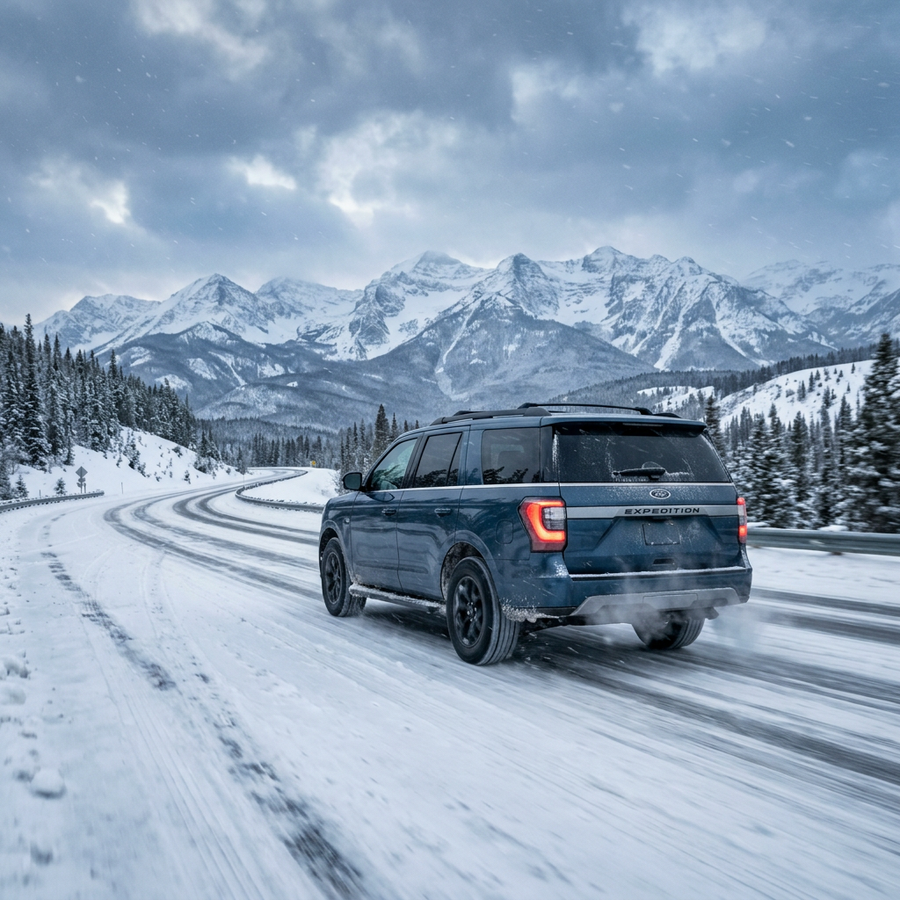
The approach of the first major winter storm in northern Wyoming brings a sudden shift in driving conditions that demands immediate vehicle preparation. When a severe blizzard rolls off the mountains, a well-maintained vehicle is your primary line of defense against being stranded in subzero temperatures. Our service team at Fremont Ford Sheridan focuses on preventive maintenance to ensure your vehicle remains a reliable sanctuary rather than a liability when the weather turns harsh.
Preparing for these extreme conditions requires looking closely at how subzero temperatures affect mechanical systems. Extreme cold thickens engine oil, reduces battery output, and causes rubber components like belts and hoses to become brittle. Addressing these vulnerabilities before the first snowfall prevents minor mechanical quirks from developing into major system failures on isolated stretches of highway.
For drivers commuting along the regional corridors or heading out toward the rugged terrain of Buffalo, a breakdown during a high-plains blizzard can quickly escalate into a safety emergency. Ensuring your vehicle is mechanically sound before these storms hit is the most effective way to protect yourself and your family. If you want to confirm your vehicle is fully prepared for the upcoming season, you can find our service center at 1658 Coffeen Ave, Sheridan, WY 82801 or give our service advisors a quick call to discuss your winterization needs.
Table of Contents
- When to Mount Winter Tires for the First Wyoming Blizzard
- Testing Your Car Battery to Survive Subzero Temperatures
- Critical Fluid Checks Before the First Major Snowstorm
- Which Built-In Vehicle Features Matter Most in Deep Snow
- What is Included in a Professional Winter Maintenance Inspection
- Quick Answers Before You Visit
- Prepare Your Vehicle for the Cold Season Ahead
When to Mount Winter Tires for the First Wyoming Blizzard
Are you waiting for the first major snowfall to schedule your tire swap? Delaying this service is a common mistake that can compromise your safety on cold, dry pavement long before the clouds roll in. Dedicated winter tires are not just designed for navigating deep snow; they are engineered to perform when temperatures drop below 45 degrees Fahrenheit.
Standard all-season rubber compounds begin to harden as temperatures decline, which significantly reduces traction, steering response, and braking capability. In contrast, winter tires are constructed from specialized, flexible rubber compounds that remain pliable in subzero temperatures. This flexibility allows the tread to conform to the microscopic imperfections of the road surface, delivering reliable grip on dry asphalt, packed snow, and glare ice alike.
When examining your tires, keep these key specifications and regulatory guidelines in mind:
- Tread Depth Minimums: While the legal minimum tread depth in Wyoming is 2/32 inch, tire industry experts strongly recommend replacing winter tires once they wear down to 4/32 inch to maintain adequate grip in wet slush and snow.
- Mountain Travel Standards: If you plan to travel south into neighboring mountain corridors, be aware that passenger vehicle traction laws often require a minimum tread depth of 3/16 inch (approximately 6/32 inch) to legally navigate active snow zones.
- Tire Pressure Fluctuations: Tire pressure drops by approximately 1 to 2 pounds per square inch (PSI) for every 10-degree drop in outdoor temperature, making regular pressure checks vital during autumn cold snaps.
To ensure your vehicle has the mechanical grip necessary to handle icy highway curves, you can schedule service online to have our certified technicians mount and balance your winter tires. For added convenience during a busy work week, we also offer a specialized mobile service that can handle routine maintenance tasks directly at your home or office.
Testing Your Car Battery to Survive Subzero Temperatures
A sudden plunge in temperature is notoriously brutal on automotive batteries, often revealing hidden weaknesses at the most inconvenient times. At 32 degrees Fahrenheit, a standard car battery loses roughly 35% of its starting power, and that loss increases to approximately 60% when temperatures plummet to zero. At the same time, the cold temperatures cause engine oil to thicken, requiring the battery to deliver significantly more cranking amps to turn over the engine.
Our technicians utilize specialized diagnostic equipment to conduct load tests, which measure a battery’s ability to hold voltage under a simulated starter load. This test is the only reliable way to determine if a battery has the capacity to survive a prolonged subzero cold snap. During a routine inspection, we also examine the physical condition of the battery casing and connections to prevent electrical resistance from blocking the flow of current.
To keep your starting system operating reliably, pay close attention to these critical maintenance areas:
- Terminal Corrosion: White, powdery lead sulfate deposits on the battery terminals act as insulators, restricting the alternator’s ability to recharge the battery and reducing the current sent to the starter motor.
- Physical Casing Inspection: Extreme cold can cause weakened battery casings to swell or crack, leading to acid leaks that damage surrounding engine components and wiring harnesses.
- Battery Age Limits: Most modern lead-acid batteries have a reliable lifespan of three to five years; if your battery is approaching this age limit, preemptive replacement is highly recommended before winter.
If you are driving an older vehicle and want to experience how modern starting systems and cold-weather packages handle the local climate, you can schedule a test drive in a used car or experience the latest winter-ready technology by scheduling a test drive in a new car to compare features.
Critical Fluid Checks Before the First Major Snowstorm
Operating a vehicle in extreme winter conditions requires specialized fluids formulated to resist freezing and flow properly at low temperatures. Neglecting these fluid systems can lead to catastrophic engine damage or a complete loss of visibility during a fast-moving storm.
The most critical fluid to verify before winter is your engine coolant, which must consist of the proper ratio of ethylene glycol and water. A standard 50/50 coolant mixture provides vital freeze protection down to -34 degrees Fahrenheit while preventing corrosion within the aluminum and cast-iron components of the engine block. If the water content is too high, the mixture can freeze and expand, cracking the radiator, water pump, or engine block.
In addition to the cooling system, several other fluid checks are essential for safe winter operation:
- Windshield Washer Fluid: Standard summer washer fluid will freeze instantly on your windshield, blinding you in a storm. Switch to a winter-grade formula rated for -30 degrees Fahrenheit or -40 degrees Fahrenheit to prevent ice buildup on the glass and inside the washer lines.
- Engine Oil Viscosity: Consult your owner’s manual to verify if your engine requires a lighter weight multi-grade oil, such as 0W-20, which flows quickly during cold starts to protect vital internal components.
- Brake and Power Steering Fluids: Moisture can accumulate in hydraulic systems over time, lowering the boiling point of brake fluid and potentially freezing in small control valves during extreme cold snaps.
Which Built-In Vehicle Features Matter Most in Deep Snow
While driver habits are paramount, the mechanical and electronic features built into your vehicle play a significant role in maintaining control on unpredictable winter roads. Modern traction management systems work in tandem with the physical drivetrain to optimize power delivery and prevent dangerous wheel spin.
For example, the 2026 Ford Explorer features an available Intelligent 4WD system with a Terrain Management System that includes a dedicated Deep Snow/Sand mode. This setting adjusts throttle mapping and transmission shift points to maintain momentum through deep drifts. However, even advanced systems require proper maintenance; the electronic actuators and wheel speed sensors must be kept clean of road salt and packed ice to function correctly.
When preparing for winter travel, understand how these key mechanical systems operate:
- Four-Wheel Drive vs. All-Wheel Drive: Systems like the Intelligent 4WD on the 2026 Ford Explorer automatically route torque to the wheels with the most grip, whereas traditional 4×4 systems, like those on the 2026 Ford F-150, lock the front and rear axles together for maximum traction in deep snow.
- Traction Control Limits: While electronic traction control helps with acceleration and climbing on slick surfaces, it does not improve braking performance or prevent lateral sliding on glare ice.
- Safety Feature Sensors: Advanced driver-assist features, including pre-collision braking and lane-keeping alerts, rely on radar sensors and cameras that can be easily blinded by packed snow, road grime, and ice buildup on the grille and windshield.
What is Included in a Professional Winter Maintenance Inspection
A comprehensive professional winter inspection goes far beyond checking fluid levels and tire pressure. Certified technicians follow a structured diagnostic process to identify hidden wear and tear that could fail under the stress of extreme cold. This preventive service is designed to give you complete confidence before embarking on winter travel.
During a professional inspection, technicians lift the vehicle to examine the entire undercarriage, steering linkage, and suspension components. They inspect the rubber boots protecting the constant velocity (CV) joints, as cracked boots allow road salt and water to enter, washing away lubricating grease and causing premature joint failure.
A professional winter preparation service typically covers the following diagnostic steps:
- Belts and Hoses Analysis: Technicians check the serpentine belt for hairline cracks and test the radiator hoses for soft spots or brittleness that could lead to a sudden coolant leak.
- Brake System Measurement: We measure brake pad thickness and inspect the rotors, calipers, and brake lines for signs of corrosion or uneven wear that could cause pulling under hard braking on slick roads.
- Exhaust System Inspection: A leaking exhaust system is particularly dangerous in the winter when windows are kept rolled up, as carbon monoxide can seep into the passenger cabin during extended periods of idling.
- Heating and Defroster Test: The blower motor, heater core, and blend doors are tested to ensure the climate control system can quickly clear frost from the glass and maintain cabin warmth.
Quick Answers Before You Visit
Q: What is the recommended windshield washer fluid rating for northern Wyoming winters?
We highly recommend using a winter-grade windshield washer fluid rated for -30 degrees Fahrenheit or -40 degrees Fahrenheit. Standard blue fluids formulated for summer use will freeze inside the reservoir and lines, potentially cracking the plastic tank or pump.
Q: Do four-wheel-drive systems help my vehicle stop faster on packed snow or ice?
No, four-wheel drive and all-wheel drive only assist with climbing and acceleration by distributing engine power to all wheels. They do not improve braking performance or prevent sliding on icy roads, which is why maintaining a safe speed and using winter tires remains critical.
Q: How often should I check my tire pressure during the winter months?
You should check your tire pressure at least once a month, and ideally every time there is a sudden drop in outdoor temperature. Because tire pressure drops by approximately 1 to 2 PSI for every 10-degree decrease in temperature, regular adjustments are necessary to prevent uneven tread wear.
Q: Can I use standard all-season tires if I carry tire chains in my vehicle?
While carrying tire chains can help you comply with emergency traction laws, all-season tires lose significant grip on cold, dry pavement below 45 degrees Fahrenheit. Mounting dedicated winter tires is the safest option for daily driving, saving the chains for extreme, unplowed mountain passes.
Q: What should I do if my vehicle’s battery is more than three years old?
We recommend having a professional load test performed on any battery that is more than three years old. This test measures the battery’s capacity to hold voltage under load, which is the only reliable way to ensure it will start your engine in subzero temperatures.
Prepare Your Vehicle for the Cold Season Ahead
Taking a proactive approach to winter vehicle maintenance is the most effective way to ensure safe, trouble-free travel across the high plains. From testing your battery’s cold-cranking capacity to mounting dedicated winter tires, every step you take now prevents stressful breakdowns when the temperatures drop. Our factory-trained technicians understand the unique challenges of driving in our region and are equipped to prepare your vehicle for the harshest blizzards.
If you are traveling through the open plains of Billings or commuting daily along local routes, do not wait for the first winter storm warning to address your vehicle’s maintenance needs. Our team is ready to assist you with comprehensive inspections, fluid flushes, and tire services tailored to your specific model.
To get started on your winter preparations, you can find our service center located at 1658 Coffeen Ave, Sheridan, WY 82801. If you have questions about specific parts or want to schedule an appointment with an advisor, please contact our service department directly at (307) 683-4070.
Connect with us


