

Professional Diesel Repair in Sheridan: Keeping Heavy-Duty Powertrains Reliable
Our heavy-duty facility is fully equipped with factory diagnostics and certified technicians ready to maintain the rugged dependability of your work truck or fleet vehicle.
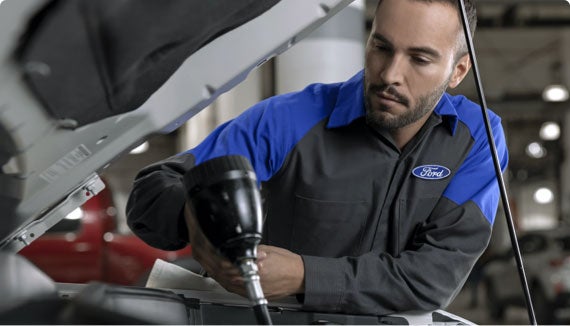
Heavy-duty diesel engines are built to handle demanding workloads, but keeping these complex powertrains running reliably requires specialized knowledge, diagnostic equipment, and certified hands. The high-pressure fuel systems, advanced turbochargers, and complex emissions equipment found in modern diesel vehicles demand a level of precision that general auto shops simply cannot replicate. Our service center is fully equipped with the latest diagnostic technology and staffed by factory-trained technicians who specialize in maintaining the rugged dependability of your work truck or fleet vehicle.
When your vehicle requires professional attention, choosing a service center with brand-specific expertise ensures the job is done right the first time. We focus on preserving the long-term health of your powertrain by utilizing genuine OEM parts that meet strict factory specifications.
Whether you are dealing with a drop in performance, a warning light on your dashboard, or routine maintenance, our team is ready to assist. You can reach out to our service advisors by giving us a quick call to discuss your vehicle's needs or to ask questions about our diagnostic process. If you are experiencing performance issues or simply want to stay ahead of your maintenance schedule, we make it easy to get your vehicle into the shop. You can conveniently schedule a service appointment online to secure a time that fits your busy work week. For those driving in from surrounding areas or looking to drop off a vehicle, finding us is straightforward. Simply map your route to our service center location on Coffeen Avenue to get turn-by-turn directions directly to our service bays.
Table of Contents
- Recognizing the Warning Signs of Diesel Engine Trouble and Potential Failure
- Optimizing Diesel Pickup Performance: Oil Change Intervals and Maintenance Schedules
- Overcoming Cold Starts: Why Winter Weather Challenges Diesel Ignition Systems
- Diesel Particulate Filter Care: When Does Your DPF Require Manual Cleaning?
- Understanding the Inframe Rebuild: Which Components are Replaced in Your Engine?
- Common Questions About Local Diesel Fleet Care and Routine Maintenance
- Schedule Certified Diesel Service at Fremont Ford
Recognizing the Warning Signs of Diesel Engine Trouble
Recognizing the early warning signs of diesel engine trouble can mean the difference between a simple sensor replacement and an expensive, unscheduled overhaul. Because diesel engines operate under extreme cylinder pressures and high temperatures, minor issues in the fuel, air, or cooling systems can quickly escalate.
Monitoring your vehicle's performance and exhaust characteristics is one of the most effective ways to identify internal engine issues before they lead to a complete breakdown. Exhaust smoke color is a highly reliable indicator of specific combustion problems within a diesel engine.
Understanding what these colors mean can help you communicate more effectively with our technicians:
Beyond exhaust smoke, severe loss of power, unusual knocking or tapping sounds, and a sudden spike in oil consumption are critical warning signs that require immediate professional diagnostics. Internal mechanical wear, such as worn bearings or cylinder wall damage, often manifests as a deep metallic knock. If you notice any of these symptoms while hauling heavy loads, continuing to operate the vehicle can cause catastrophic damage to the engine block and internal components.
Optimizing Diesel Pickup Performance: Oil Change Intervals and Maintenance Schedules
Maintaining clean, high-quality oil is critical for protecting the internal components of a high-torque diesel engine. Diesel motor oil has a demanding job; it must lubricate moving parts under extreme pressure while also suspending soot particles generated during the combustion process. Over time, soot buildup and thermal breakdown reduce the oil's effectiveness, making regular oil changes the single most important maintenance task for preventing premature engine wear.
For most modern light-duty diesel pickups, the standard oil change interval is between 7,500 and 10,000 miles under normal driving conditions, or every six months, whichever comes first. However, operating conditions play a massive role in determining your actual maintenance schedule. If you frequently tow heavy trailers, idle for extended periods, or operate in dusty off-road environments, your oil degrades much faster. In these severe duty cycles, shortening your interval to 5,000 miles is highly recommended to protect critical components like the turbocharger bearings and high-pressure fuel pump.
When we perform a diesel oil change, we also inspect the fuel filters, which are vital for protecting your high-pressure common-rail fuel system. Unlike gasoline engines, diesels rely on primary and secondary fuel filters to remove both fine particulates and water from the fuel before it reaches the highly sensitive fuel injectors. Neglecting these filters can lead to fuel starvation, injector damage, and costly fuel system repairs. Keeping your maintenance up to date ensures your vehicle remains dependable for years to come. If you are considering upgrading your daily driver or work vehicle, you can check out our available options and schedule a test drive in a new car, or if you prefer a pre-owned model, you can schedule a test drive in a used car to experience our latest lineup.
Overcoming Cold Starts: Why Winter Weather Challenges Diesel Ignition Systems
When winter temperatures drop in the foothills of the Bighorn Mountains, diesel owners often face the frustrating challenge of a hard-starting engine. Unlike gasoline engines that rely on a spark plug to ignite the fuel-air mixture, diesel engines rely purely on heat generated by high cylinder compression. When the engine block is freezing, the metal absorbs the heat of compression, preventing the fuel from reaching its auto-ignition temperature.
Several factors work together to make cold-weather starting exceptionally difficult for a diesel engine:
- Increased Oil Viscosity: Cold temperatures cause engine oil to thicken significantly. This increased resistance makes it harder for the starter motor to spin the engine fast enough to generate the compression heat needed for ignition.
- Reduced Battery Capacity: Extreme cold saps battery power, reducing the cold cranking amps available to turn over a heavy diesel engine. A battery that performs fine in the summer can quickly fail when tasked with a freezing winter start.
- Fuel Gelling: Diesel fuel contains naturally occurring paraffin wax. In cold temperatures, this wax can crystallize and gel, clogging the fuel filters and preventing fuel from flowing to the injectors.
- Glow Plug Wear: Glow plugs are heating elements that warm the combustion chambers before starting. If one or more glow plugs are faulty, the engine will struggle to start, run rough, or emit white smoke upon startup.
To combat these winter challenges, we recommend utilizing an engine block heater when temperatures drop below freezing. This keeps the coolant and engine block warm, reducing starter strain and ensuring faster ignition. Additionally, using winterized fuel blends or anti-gelling additives prevents fuel crystallization, while regular testing of your glow plugs and battery before the cold season arrives will keep you from being stranded on freezing mornings.
Diesel Particulate Filter Care & Cleaning
Modern diesel vehicles utilize a Diesel Particulate Filter (DPF) to capture and store soot particles, preventing them from escaping into the atmosphere. To keep the filter from clogging, the vehicle periodically performs an automatic regeneration cycle, which uses high exhaust temperatures to burn the trapped soot into harmless ash.
For vehicles that primarily operate on short trips or experience extended idling, the exhaust never reaches the temperatures required for automatic regeneration. When this happens, soot continues to accumulate, eventually triggering a dashboard warning light.

If the automatic cycle fails repeatedly, the vehicle may enter a reduced-power "limp mode" to protect the engine from excessive exhaust backpressure. At this point, a professional manual regeneration or an off-car manual DPF cleaning is required to restore proper exhaust flow. For commercial trucks and heavy-duty vehicles that log high mileage, professional off-car DPF cleaning is typically recommended every 150,000 to 250,000 miles. During this specialized service, the filter is removed and placed in a pneumatic cleaning machine or a high-temperature kiln to bake out the accumulated ash that cannot be cleared through standard regeneration. Keeping your DPF clean not only maintains engine efficiency and fuel economy but also prevents costly damage to other emissions components, such as the SCR catalyst and EGR valve.
Understanding the Inframe Rebuild: Which Components are Replaced in Your Engine?
When a diesel engine suffers severe internal wear or high-mileage fatigue, a complete replacement is not always necessary. An inframe rebuild is a highly effective, cost-saving alternative that allows technicians to overhaul the engine without removing the entire engine block from the vehicle chassis. This process is commonly performed on heavy-duty commercial trucks and high-mileage pickups to restore compression, oil control, and overall performance.
During a standard inframe diesel rebuild, several critical internal components are replaced to restore the engine to factory specifications:
- Pistons and Rings: New pistons and compression rings are installed to restore proper cylinder sealing and prevent oil consumption.
- Cylinder Liners (Sleeves): In engines with wet sleeves, the worn cylinder liners are pulled and replaced with new ones to provide a fresh, perfectly round surface for the piston rings.
- Main and Rod Bearings: The crankshaft bearings are replaced to restore proper oil clearance and protect the crankshaft from wear.
- Cylinder Head Gaskets: A new head gasket and upper engine seals are installed to prevent coolant and oil leaks.
- Oil Pan Gaskets: The lower oil pan gasket is replaced during reassembly to ensure a leak-free seal.
By performing an inframe rebuild, we can significantly extend the operating life of your diesel engine at a fraction of the cost of a complete engine replacement. This service addresses the core wear points of the engine while utilizing the strength of your existing, undamaged engine block. Because this is a highly technical procedure, our factory-trained technicians use precision measuring tools to ensure every new component meets exact tolerances for maximum reliability.
Common Questions About Local Diesel Fleet Care and Routine Maintenance
Q: What is the difference between a diesel diagnostic scan and a physical engine inspection?
A: A diagnostic scan connects specialized software to your vehicle's onboard computer to read active fault codes and monitor real-time sensor data, such as fuel rail pressure and boost levels. A physical inspection involves a technician hands-on checking mechanical components, such as inspecting hoses for leaks, checking belt tension, and analyzing fluid conditions. Both are necessary to accurately pinpoint complex diesel performance issues.
Q: Why does my diesel truck require a specialized coolant formulation?
A: Diesel engines are prone to a phenomenon called cavitation, where high-pressure cylinder vibrations create tiny vapor bubbles in the cooling system. When these bubbles collapse, they can erode the outer walls of the cylinder liners over time. Specialized diesel coolants contain supplemental coolant additives (SCAs) that form a protective barrier on the liners to prevent this cavitation damage.
Q: How can I tell if my diesel fuel injectors are starting to fail?
A: Common signs of failing fuel injectors include a rough idle, engine misfires, a noticeable drop in fuel economy, and excessive exhaust smoke. You might also notice a hard start condition or a distinct diesel knocking sound caused by an incorrect fuel spray pattern. Promptly addressing injector issues prevents unburnt fuel from washing down the cylinder walls and causing severe engine wear.
Q: What is the purpose of diesel exhaust fluid (DEF) and how often should I refill it?
A: DEF is a non-toxic liquid injected into the exhaust stream of modern diesel vehicles to break down harmful nitrogen oxide emissions into harmless nitrogen and water. The consumption rate of DEF varies based on your driving habits and engine load, but most light-duty pickups require a DEF refill roughly every 5,000 to 8,000 miles, which typically aligns with your scheduled oil change intervals.
Schedule Certified Diesel Service at Fremont Ford
Keeping your diesel vehicle in peak operating condition requires a service partner you can trust. At Fremont Ford Sheridan, our factory-trained technicians understand the unique demands placed on diesel engines, whether you are hauling heavy equipment near Buffalo or managing a commercial fleet. We are committed to providing transparent, high-quality maintenance and repairs using genuine parts designed specifically for your vehicle.
To make maintaining your vehicle as convenient as possible, we also offer a dedicated mobile service program that can handle routine maintenance tasks directly at your home or job site. This allows you to keep your work trucks on the road without interrupting your daily operations. Whether you need an oil change, fuel filter replacement, or advanced diagnostics, our team is equipped to deliver professional service wherever you need it.
If your truck is due for maintenance or requires diagnostics, do not wait for a minor issue to become a costly repair. You can contact our service department directly by calling (307) 683-4070 to speak with an advisor, or stop by our service center located at 1658 Coffeen Ave, Sheridan, WY 82801. Let our team of experienced technicians keep your diesel powertrain running strong for all the miles ahead.